
Introduction — a quick scene, a stat, and a question
I was at a community center last month watchin’ folks line up for a demo, and one lady said, “This thing feel good but does it do nothin’ long-term?” That’s the kind of real talk I hear a lot when folks ask about infrared beds. Infrared beds use near-infrared (NIR) emitters and photobiomodulation to warm tissue and help recovery, yet only about 40% of users report clear, lasting benefits in small surveys (so people be skeptical). So how do you pick a bed that won’t just look pretty in a spa brochure? — let me walk you through it. (I’ll keep it plain.)
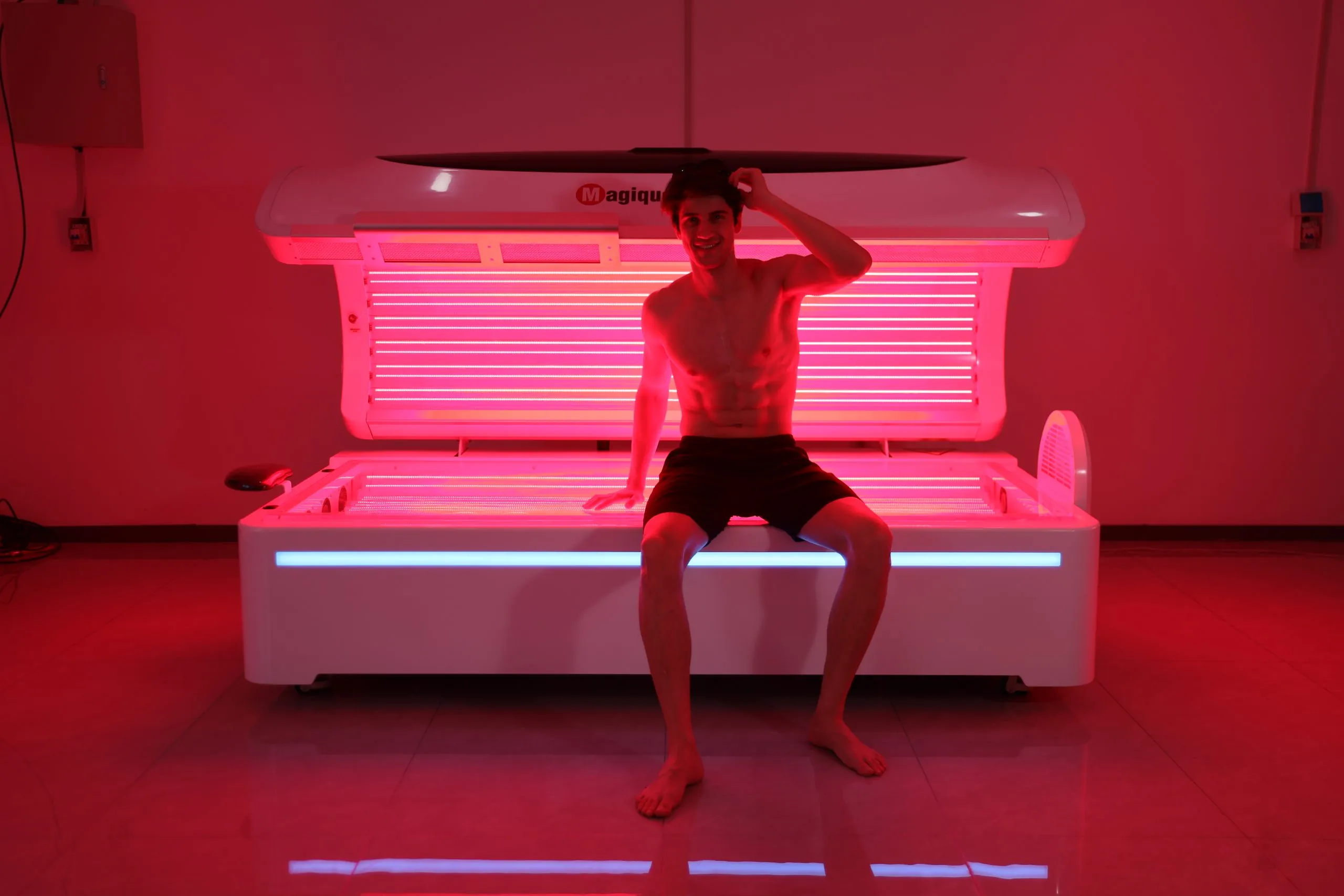
Part 2 — What’s broken with old setups and where users really feel the pinch
red light chamber setups used to be simpler: bulbs, a couch, and hope. Now, we expect better control, consistent wavelength output, and measurable effects. But many traditional systems fail on those counts. I see three recurring flaws: poor wavelength calibration, weak LED driver circuits, and bad thermal management. Each one cuts into how much light actually reaches the body. Photobiomodulation only works when you get the right dose—intensity and time—and old rigs often miss that target.
Why does this matter to you?
Look, it’s simpler than you think: if power converters or poorly matched drivers drop output, your session might feel warm but deliver no therapeutic dose. Users tell me they hit a red light bed for weeks and get no change in pain, sleep, or skin tone. That ain’t a product failure alone—it’s a design gap. Dosimetry and consistent irradiance matter. Also, many beds ignore user ergonomics: poor spacing of panels, uneven coverage, and hard-to-read controls. Those small pain points add up fast and lead people to quit before benefits show.
Part 3 — New principles and what I’d look for next
Moving forward, I’m watching a few tech principles reshape how I evaluate a red light chamber. First, standardized wavelength mapping and real-time irradiance feedback. Second, modular LED arrays with redundancy (so one failed module don’t ruin a session). Third, smarter thermal management—active cooling plus sensors—so output stays steady. These are not buzzwords for me; they’re practical features that turn a trial into real results. I want beds with clear specs on peak wavelength (e.g., 660 nm, 850 nm), irradiance at surface, and expected session durations. That transparency matters.
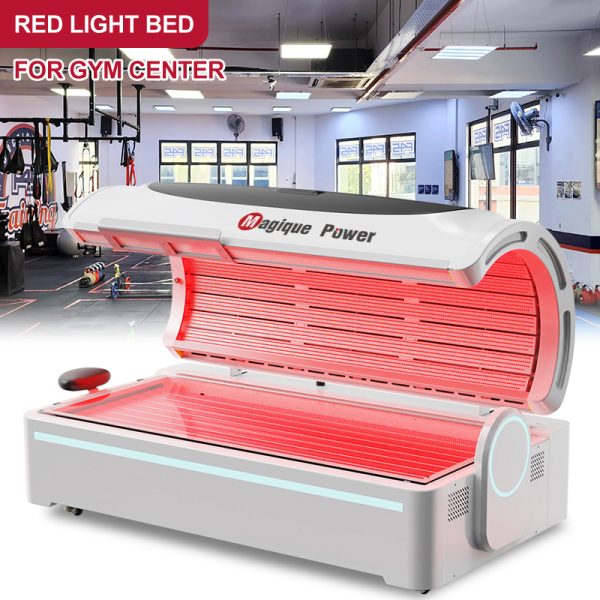
What’s Next?
I’m also tracking edge features—user profiles, simple UI, and compact serviceable parts—because they make maintenance easier and outcomes more consistent. When designers combine good dosimetry with practical ergonomics, users stick with the therapy long enough to see gains. — funny how that works, right? In short: aim for measurable output, consistent engineering (think LED driver and power converters that hold steady), and user-first design. That’s the future I recommend folks build toward.
Closing — three practical metrics I use when advising people
I’ll leave you with three clear metrics I use when I’m helping someone pick an infrared bed. First: irradiance at treatment distance (mW/cm²). If the vendor can’t state it, walk away. Second: wavelength verification and photobiomodulation profile—ask for the spectrum graph. Third: maintenance and support specs—how easy is it to replace modules, and do they use standard power converters and drivers? Those measures tell you whether a setup will keep delivering real effects, not just warm vibes. I care about results, and I want you to too. For reliable options and product details, check out Magique Power.