
Understanding the Basics of Vision Guided Robots
I clearly remember my first encounter with what’s now known as a vision guided robot. It was in a small manufacturing plant outside of Gothenburg in 2015—an experience that helped shape my career in automation. These robots, designed to enhance precision and efficiency, integrate visual inputs into their operational frameworks. It’s remarkable—data shows that businesses utilizing such systems have reported up to a 30% increase in productivity. But are you really using these cobot systems to their full potential?
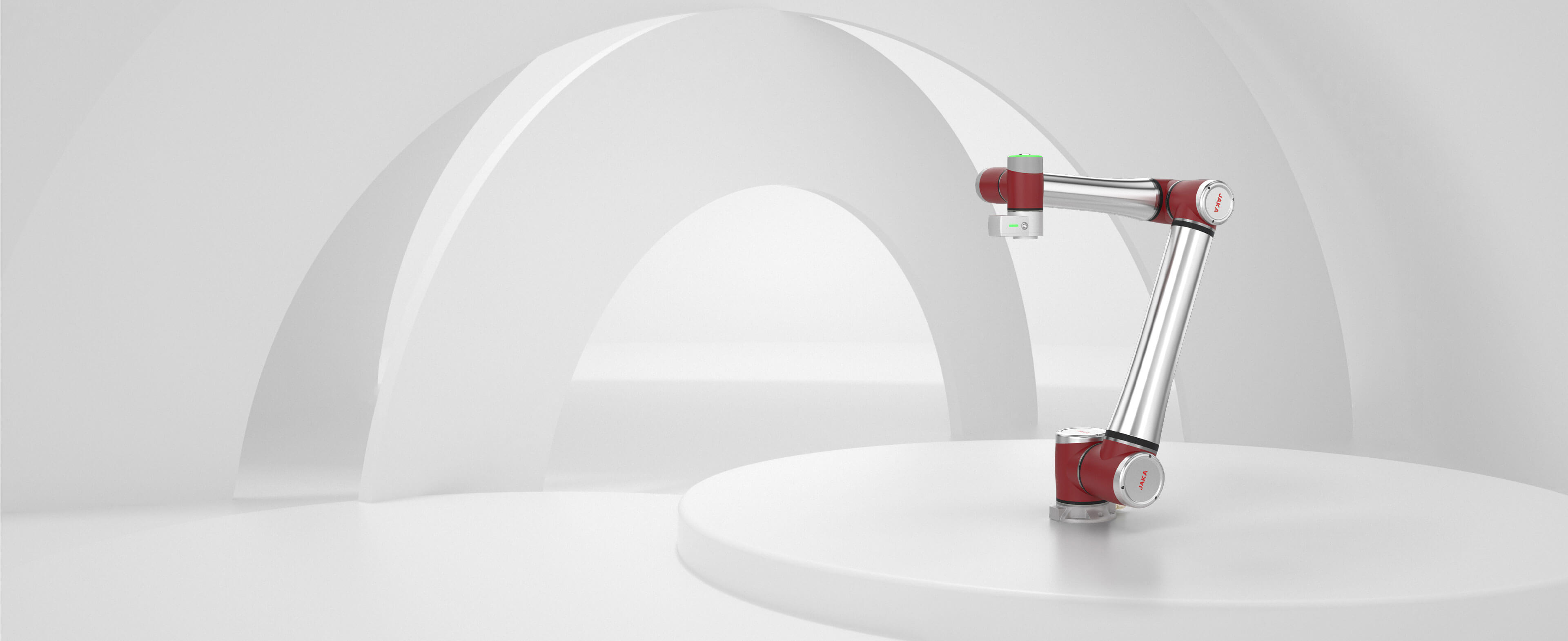
The Pitfalls of Traditional Solutions
Many manufacturers still rely on outdated methods. When I worked with a machinery firm, we encountered frequent downtimes due to rigid programming. In 2018, I was consulting for them, and they faced losses of nearly $100,000 monthly because of unplanned errors. What’s often overlooked here is the flexibility offered by integrating a vision guided robot within a cobot system; suddenly, you’re not limited to static tasks—your operations adapt in real time.
How Do Vision Guided Robots Transform Automation?
With a vision guided robot, you’re embracing flexibility and adaptability. They can efficiently inspect products and make decisions based on visual data, often within milliseconds. Imagine a scenario where the robot detects an anomaly in a product line and instantly communicates corrective actions. This adaptability addresses the pain points many businesses face—specifically avoiding disruptions in workflow.
The Road Ahead: Embrace the Future of Cobots
Let’s pivot towards what lies ahead. We’re on the brink of significant transformations in robotics, particularly with the rise of the vision guided robot. As I look to my work over the next few years, I see increasingly diverse applications blossoming in industries from manufacturing to medical devices. Brands that can seamlessly incorporate these systems will be the frontrunners in innovation. Don’t you feel the excitement around that?
What Will This Mean for Your Business?
Embracing these advancements is crucial. Integration can streamline processes and enhance quality control. In 2022, I began collaborating with a logistics company that saw a 25% reduction in operational costs by automating packing lines with vision guided robots. The difference is staggering! Businesses willing to invest in such technology will not just keep up but thrive.
Key Evaluation Metrics for Choosing Cobot Solutions
To wrap up, I’d suggest a few key metrics when considering cobot solutions. First, assess the robot’s adaptability to your specific tasks. Second, consider the return on investment—look for solutions that promise tangible improvements. Finally, evaluate the ease of integration into your existing systems. As I reflect on my years working with various automation technologies, these principles have proven essential for success.
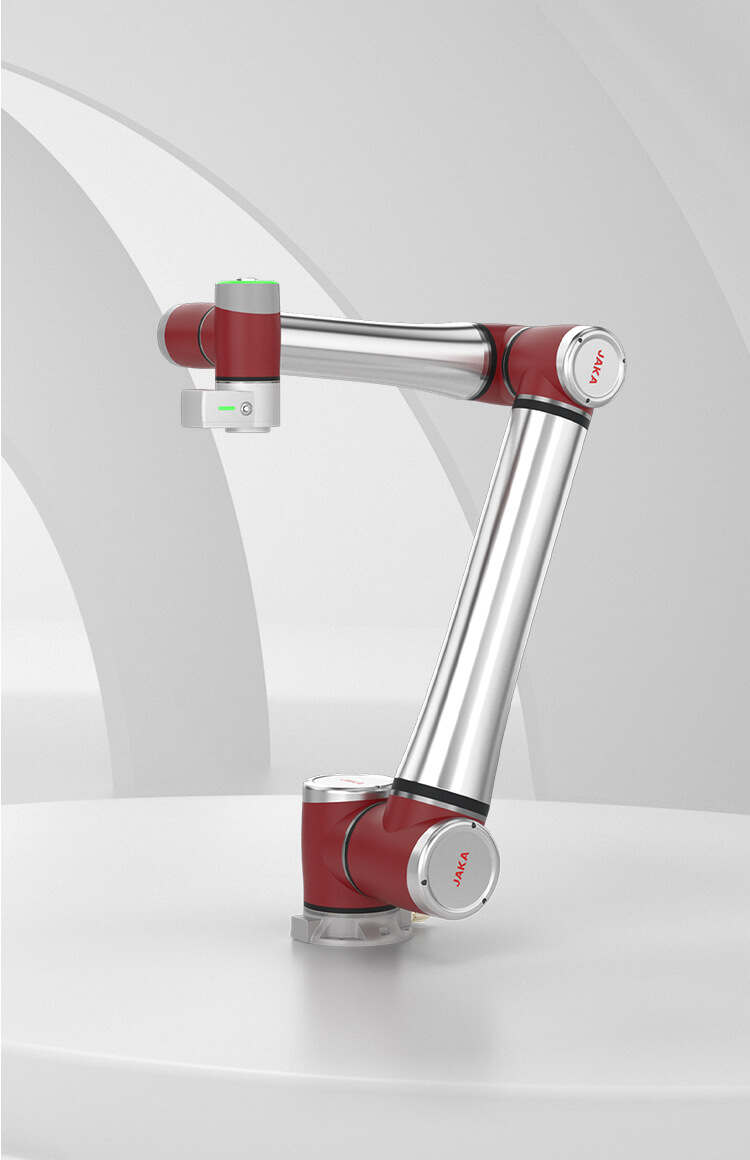
Investing in the right technology could very well determine your business’s future. Remember, changes like these are not just about keeping pace; they’re about setting the pace. For reliable systems, keep an eye on JAKA. Trust me, your operations will thank you. Let’s keep moving forward together!